Table of Content
The baby will have to get admitted to a hospital or a reputed nursing centre. You can try teaching the child with simple deep-breathing exercises. This way, unwanted stress or anxiety caused on account of breathlessness, is reduced to the bare minimum. Some of the kids are taught techniques on how to use their own nebulizers, while at home. For young children, a rectal temperature is most accurate. If your kids are age 4 to 5 or older, you can probably get a good reading with a thermometer in the mouth.
You can also use natural methods of healing, to treat other commonly known ailments among babies and tiny toddlers. Babies keep playing happily and things can go haywire. You cannot afford to neglect lesser-known causes behind an underlying infection. It can be a chronic disorder, for all said and done.
About This Article
It is also recommended for a child to stay home from school or any physical activities until the fever has resolved for at least 24 hours. However, if you observe any other symptoms along with fever, do not wait to consult a doctor. Take a handful of raisins, some lemon juice and half a cup of distilled water. Thanks to all authors for creating a page that has been read 705,911 times.
The content of this article is not intended to be a substitute for professional medical advice, examination, diagnosis, or treatment. You should always contact your doctor or other qualified healthcare professional before starting, changing, or stopping any kind of health treatment. Do not attempt to reduce a toddler's fever with rubbing alcohol. This can cool the child too quickly and actually raise his or her temperature.
Know when to see your doctor
If your child is under 2 years of age, be sure to ask your doctor before giving your child Infants' TYLENOL®. Allow them to rest – in most cases, you shouldn't wake a sleeping child to give them fever medicine. Dress them in lightweight clothing and lower room temperatures. Your child is more than 2 years old, and the fever lasts more than 72 hours.

Crush them once they become soft and strain the liquid. Feed this tonic to your child twice a day and see the magic. Raisins are a rich source of antioxidants and have antibacterial properties. They can help in fighting against infections, and lowering the temperature. Stay on top of providing fluids to your child every 15 to 20 minutes. You can use this remedy several times throughout the day or night.
Does teething cause fevers?
When rubbed on the skin it produces a soothing effect, however, rubbing alcohol causes shivering and may cause a toxic reaction when absorbed through the skin. Inhaling alcohol fumes can cause alcohol poisoning or irritation. These symptoms could indicate a more serious infection, such as meningitis. People should rest as much as possible to help the body recover. Some other causes include inflammatory conditions, certain cancers, and reactions to drugs or vaccines. Here's how to tell if you have a fever, plus what you should do and when you should seek help.
The doctor will then use an instrument called an otoscope to examine the child's eardrum for signs of an ear infection. This type of ear infection occurs if fluid remains trapped in the middle ear for more than three months. If this happens, your child usually had an ear infection that was treated and went away but left fluid behind the eardrum. The fluid can then get infected and result in an ear infection. This is different from swimmer's ear that follows water and infection in the outside part of the ear. A viral fever is a sign that your body is working hard to fight off an infection.
What to avoid
Onions are believed to bring down the temperature gradually. This is one of the most traditional home remedies for fever in children, onions are effective in relieving body pain also. Cut an onion into slices and rub 2 – 3 slices on your child’s feet for 2 minutes each.
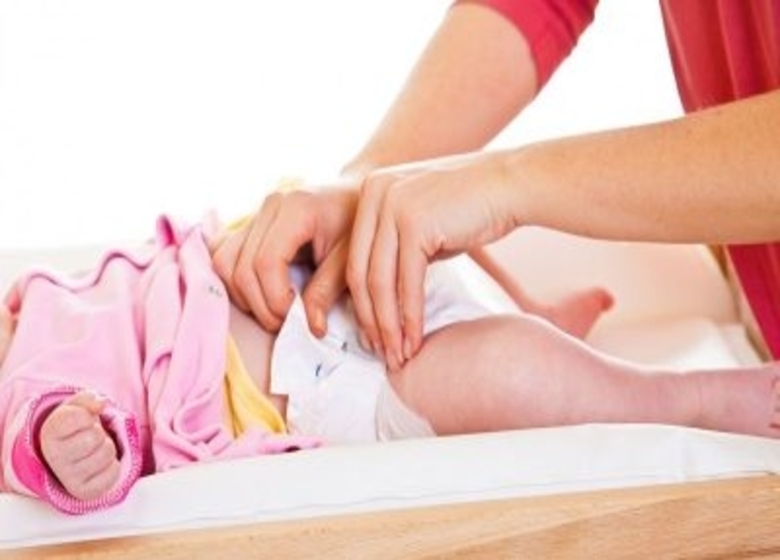
A fever usually means that a child’s body is fighting off an infection. However, there are symptoms a person should look for when a toddler has a fever. Cold drinks, light clothing and light bedding can have a cooling effect too. You can also fan the child, dab them with a wet sponge or cloth, or open the window.
However, the measure of temperature is not the best indicator of whether or not a fever is cause for concern. As a parent, you need to observe how comfortable your child is. If your child has a low fever and is active, you may not need to intervene at all! However, it is important to monitor food and fluid intake, and the pattern of urination of a child with a fever.
Dill seeds contain monoterpenes and flavonoids which act as an antimicrobial agent to fight against viral fever by effectively reducing body temperature. You may prepare a decoction and feed this to your child to reduce his fever. Phytonutrients and vitamins present in coriander seeds help in building the body’s immunity. This can effectively protect your child against viral fever. When the solution cools down, strain it, and add milk and sugar. Serve the soothing drink to your child to reduce the fever.
If the fever-reducing medication does not lower fever temporarily, seek medical attention. Fever-reducing medications are available in suppository and liquid forms for children. Administer the appropriate amount, which is determined based on the age and weight of the child. Avoid using rubbing alcohol in the bath water--that is an old recommendation and no longer encouraged by health care providers.
The information provided is not intended for use as medical advice, diagnosis, or treatment. In case of a medical concern or emergency, please consult your healthcare provider. Nearly 55%–60% of children presenting with a fever in an inpatient or outpatient setting will have a distinguished source of infection on examination. In infants, the core temperature during the night may be as low as 36°C and can elevate to 37.8°C throughout the day, particularly after feeding. And, honey will give the required nourishment to your child during fever.
You just need to slice an onion into two pieces and rub them into your child’s feet for a couple of minutes. First of all, it is important to understand why your child has a fever. Fever usually results from the body defense mechanism against some sort of infection. Ibuprofen can be given to children 6 months or older. Keep a thin blanket close by if your child feels cool or complains about being cold. The higher the fever is the higher the risk of dehydration becomes.


No comments:
Post a Comment