Table of Content
Low-grade fevers don’t always require a visit to your doctor for infants older than 3 months. Infants 3 months and older with low-grade fevers can be treated at home with proper care if no other concerning symptoms develop. Infants with persistent or high fevers should be assessed by a doctor. If your baby wakes up in the middle of the night crying and feeling flushed, you’ll need to take their temperature to determine if they have a fever. There are many reasons why your little one might develop a fever. Many conditions can lead to a toddler experiencing a fever.

Take your toddler's temperature using a digital thermometer. You get the most accurate reading by taking it rectally, but you can also take it under the armpit . Also keep these natural remedies in mind to soothe your child without medical intervention. Rub 2-3 thin slices of onion on the back of your child’s feet. Onion is an integral part of the Indian kitchen, but did you know that it also has the medicinal values to reduce a fever? Home extracted fruit and vegetable juice, various types of herbal tea, barley water, coconut water or buttermilk are all good options to keep fluid levels up.
What to Do When Your Kid Has a Fever
Additionally, as a parent, always trust your instincts if you think you should see a doctor. Anyhow, you can help reduce your child’s fever by following these tips in addition to the medications your doctor prescribes. Some medications are not suitable for children under certain ages. Having a fever can cause a person to feel hot one minute and cold the next.
This suggests people at risk of developing SJS should avoid using moringa. However, this was the first reported case and the reaction should be considered extremely rare. We include products we think are useful for our readers. If you buy through links on this page, we may earn a small commission. Bacterial disorders or stomach infections like diarrhea, dysentery, gastroenteritis, food poisoning, etc. Your infant is younger than 3 months old with a fever above 100.4° F.
How to Reduce Fever in A Child Naturally
Serving soups and broths also help to provide additional fluid and nutrition. Strain out the seeds, reserving the infused water, and have your child sip the strained water throughout the day. Warm 2 Tbsp of mustard oil and add 1 Tbsp of garlic paste into it.
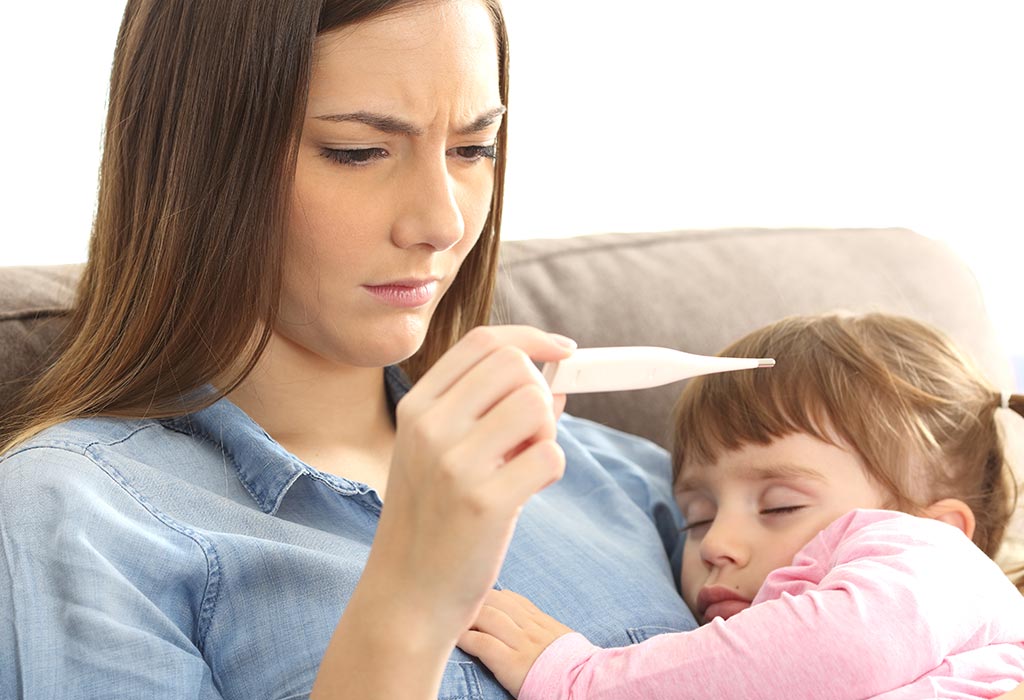
Dress them in one layer of light clothing and offer a light blanket. You can also cool them off with a lukewarm sponge bath. Although mild fever does not require any management as fever is causing discomfort people want to get rid of a fever as soon as possible. So, we are going to tell you some of the best home remedies for fever which you can easily do and free yourself from fever. Because home remedies for fever are somewhat different for adults and children, we will discuss fever remedies separately for different age groups. If your child shows other disease symptoms, such as a cold, cough, vomiting, or diarrhea, consult your doctor.
What are the best home remedies for fever?
A moderate fever is not a matter of great concern, as this is how the body activates the defence mechanism against infection. Usually, a toddler can easily handle a body temperature up to 100 degrees. Most often, such a mild fever can be dealt with using home remedies. If your toddler has a moderate fever, there are some effective home remedies you can try to treat it. One of the home remedies for fever in toddlers already in your kitchen is egg white.
A fever usually means that a child’s body is fighting off an infection. However, there are symptoms a person should look for when a toddler has a fever. Cold drinks, light clothing and light bedding can have a cooling effect too. You can also fan the child, dab them with a wet sponge or cloth, or open the window.
It is also recommended for a child to stay home from school or any physical activities until the fever has resolved for at least 24 hours. However, if you observe any other symptoms along with fever, do not wait to consult a doctor. Take a handful of raisins, some lemon juice and half a cup of distilled water. Thanks to all authors for creating a page that has been read 705,911 times.

Common causes of fevers in children include respiratory illnesses like colds and ear infections. A fever is an uncomfortable symptom of infection or illness. Learn about the best home remedies for fever in children and adults here. To do this, a caregiver should place the child in a bath with lukewarm water of approximately 85–90ºF (29–32ºC) and sponge the water over the skin. There isn't enough research to be able to say whether taking both acetaminophen and ibuprofen at the same time has any advantages. A few studies suggest that combining the two medications lowers fever more effectively than just taking one of them.
When you contract a viral condition, such as a cold or flu, your immune system responds by going into overdrive. Part of this response often involves raising your body’s temperature to make it less hospitable to the virus and other germs. You can get the temperatures right when you put the baby facing upside down.

If your toddler’s fever ever reaches a temperature of 101 degrees or over, then it is imperative that you call your child pediatrician right away. In infants and young children, a high fever that is not cool down within a reasonable amount of time can result in long term damage. Alongside lethargy and being quieter, fever is one of the first recognizable signs that your toddler has come down with something. If your toddler is “burning up,” then you are already looking for some quick solutions to the problem.


No comments:
Post a Comment